

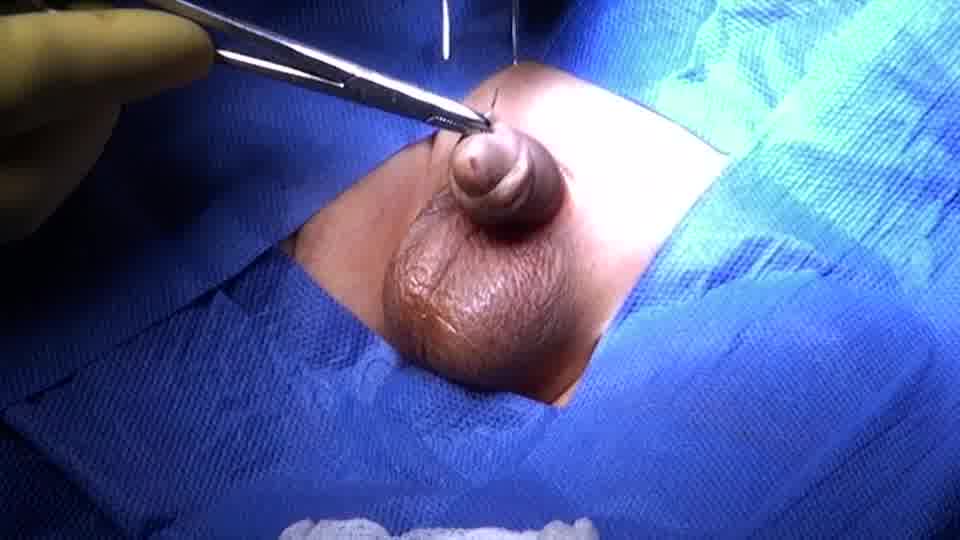
What Penile Torsion Is and Why Surgery Is Needed
Penile torsion is a condition in which the penis is rotated along its axis, often noticeable at birth. While some cases are mild and may not cause functional issues, others can be more pronounced, affecting the appearance or, in some instances, causing complications with urination or sexual function later in life. Parents or patients noticing a twist in the penis often seek medical advice to determine whether intervention is necessary. In many situations, penile torsion surgery is the most effective way to correct the rotation and ensure both functional and cosmetic outcomes.
The decision to undergo surgery typically depends on the severity of the torsion and the patient’s age. Pediatric urologists often evaluate newborns and young children, as early correction can prevent complications and allow normal development. In older patients, surgery is usually considered if the torsion causes noticeable cosmetic concerns or interferes with normal urinary or sexual function. Consulting a specialist provides clarity on whether the procedure is necessary, what outcomes can be expected, and how the surgery fits into overall care planning.
How Penile Torsion Surgery Is Performed
Penile torsion surgery is generally performed under anesthesia, and the approach may vary depending on the degree of rotation and the patient’s age. The primary goal of the surgery is to correct the axial twist while preserving normal penile tissue, blood supply, and function. Surgeons carefully evaluate the anatomy and determine the precise points where correction is needed to achieve a natural alignment.
During the procedure, the surgeon may release abnormal attachments and reposition the tissues to reduce the torsion. Some techniques involve degloving the penile skin, realigning the underlying structures, and securing the skin in a corrected position. Surgical methods are designed to minimize scarring while ensuring that the penis appears straight and functions normally after recovery. In certain cases, additional procedures may be performed simultaneously to correct related issues, such as hypospadias or chordee, providing a comprehensive solution for congenital penile abnormalities.
Surgical precision is critical, as improper correction can result in residual torsion or other complications. Experienced pediatric urologists follow established techniques that prioritize long-term results and patient safety. The procedure usually lasts a few hours, after which patients are monitored in a recovery area before being discharged, often the same day for minor cases or after an overnight stay for more extensive procedures.
Recovery and Postoperative Care
Recovery from penile torsion surgery requires careful attention to ensure proper healing and optimal outcomes. Parents or patients are typically instructed on how to care for the surgical site, including keeping the area clean, monitoring for signs of infection, and avoiding activities that may put stress on the tissues. Pain management is an important part of postoperative care, with medications prescribed as needed to maintain comfort during the initial healing period.
Follow-up visits are scheduled to monitor healing, assess the alignment of the penis, and address any concerns. In most cases, the results of penile torsion surgery are long-lasting, with significant improvement in both appearance and function. Mild swelling or bruising is common immediately after surgery, but these symptoms usually resolve within a few weeks. Adhering to postoperative instructions helps reduce the risk of complications and ensures that the corrected alignment remains stable as the patient grows or as normal activities resume.
In older patients, recovery also includes guidance on resuming physical activities safely. Surgeons often provide detailed instructions on hygiene, avoiding trauma, and monitoring for any changes in urinary function. Patient and family education is a critical part of achieving successful long-term results, ensuring that the benefits of surgery are maintained.
Outcomes and Long-Term Considerations
The outcomes of penile torsion surgery are generally very positive. Most patients experience improved cosmetic appearance, with the penis appearing straight and natural. Functional outcomes are also favorable, with proper urinary flow and sexual function maintained as the patient matures. Early intervention often leads to the best results, especially when surgery is performed by an experienced urologist familiar with congenital penile conditions.
Long-term considerations include monitoring growth and development to ensure that the alignment remains stable over time. In rare cases, minor adjustments or follow-up procedures may be necessary if residual torsion persists or if additional congenital issues become apparent. Overall, penile torsion surgery provides a reliable solution for correcting congenital rotation, improving both appearance and patient confidence.
Families and patients who undergo penile torsion surgery frequently report satisfaction with the results, noting both the physical and psychological benefits of having the condition corrected. The ability to address torsion early, combined with advances in surgical techniques, ensures that patients can achieve natural appearance and function while minimizing complications. Regular follow-up care helps maintain these outcomes and provides reassurance for families regarding long-term penile health.
The decision to undergo penile torsion surgery should always be guided by a qualified specialist who can evaluate the specific needs of the patient. Understanding the procedure, the recovery process, and expected results allows patients and families to make informed decisions and approach the surgery with confidence. The combination of careful planning, skilled surgical intervention, and diligent postoperative care ensures that penile torsion surgery achieves the desired correction and contributes to long-term well-being.
