

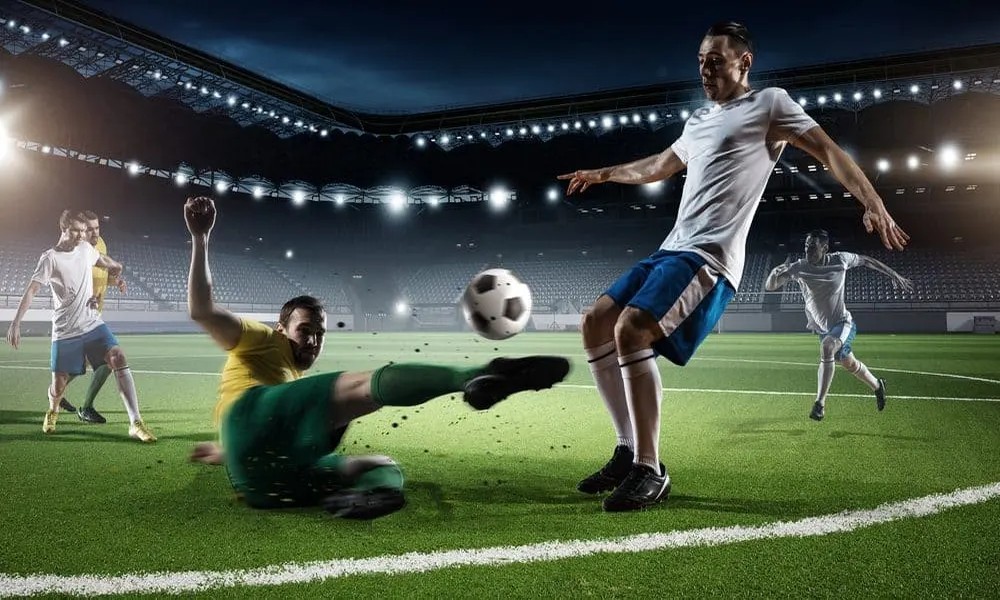
The thud of a fast pass reverberates off the gym wall while sneakers squeak and players pivot in pursuit, a familiar soundscape for any young athlete stepping onto an indoor soccer pitch. This fast-paced environment isn’t just the off-season alternative. It’s a crucible that forges sharper skills, quicker minds, and complete players.
Why Indoor Soccer Skills Matter for Young Players
Indoor soccer strips the game to its essentials. Forget the sweeping grass and long breaks between plays. Indoors, the ball is rarely out of play, and every second demands focus. This compressed, high-energy format forces young players to make smarter choices in less time, a skillset that pays dividends whether they chase glory indoors or under a summer sky.
The Unique Challenges of Indoor Soccer
Cement or turf. Walls instead of sidelines. Fewer players, tighter spaces, and lightning-fast transitions. Young players quickly learn that hesitation means losing the ball. The margin for error shrinks, putting a premium on technique and awareness.
How Indoor Training Translates to Outdoor Success
The lessons learned inside translate directly to the outdoor field. Players used to quick touches adjust effortless ball control to open spaces. Creative passing once dictated by walls becomes incisive through balls in the open field. A young athlete who can thrive under pressure indoors steps outside with a toolkit built for any challenge.
Case Study: A Young Player’s Transition from Outdoor to Indoor
Consider Mia, a Montreal midfielder. Outdoors, she relied on her speed and long passes. Indoors, she had to reinvent herself: learning to shield the ball, read passing lanes instantly, and dribble in a phone booth. By spring, her outdoor performance had transformed, her decision-making and confidence soared.
Mastering Ball Control in Tight Spaces
Ball control is non-negotiable in indoor soccer. When every square meter counts, the ability to cushion, trap, and redirect the ball under pressure separates average players from standouts.
Essential Dribbling Techniques for Indoor Play
Close control is the name of the game. Young players develop quick taps with the inside and outside of their feet, keep their heads up, and maneuver with both precision and flair. Wall passes and “toe pokes” become vital weapons.
Drills to Build Confidence with the Ball
Small-area rondos, tight dribble relays, and one-touch passing exercises help refine touch and control. Coaches often challenge players to keep possession in a space no bigger than a kitchen, cultivating poise even when the opposition closes in.
Developing Quick Decision-Making and Agility
Speed is more than just sprinting. It’s the ability to react, adjust, and outthink an opponent in a split second.
The Importance of Speed and Sharp Turns
Indoor play demands explosive acceleration and abrupt changes in direction. Players must absorb visual cues, anticipate rivals’ moves, and execute feints or direction shifts in an instant.
Case Study: Agility Training at FFMTL Soccer Academy
At FFMTL Soccer Academy, agility ladders, reaction lights, and live scrimmages are staples. Coaches set up simulated game scenarios, think two-on-twos or “numbers up” drills, where players process information and respond faster each session.
Exercises to Enhance Reaction Time
Quick-fire passing, color-coded cone drills, and mirror-movement exercises boost not just the body, but the mind. Mastering these builds an invaluable edge in indoor matches.
Perfecting Passing and Receiving Under Pressure
A quality pass indoors travels fast and arrives on target. There’s little time for adjustment, so both the passer and receiver must do their part with precision.
Techniques for Accurate, Fast Passing Indoors
Players are taught to use the inside of the foot for short, zippy passes and to master one-touches under pressure. Sharp communication and always being “on your toes” become second nature.
Scenario: Teamwork Dynamics in a Small Indoor Field
Imagine four teammates pressed against the opposition. Trust and anticipation turn routine passes into goal-scoring chances. This kind of synergy isn’t just learned; it’s earned through repetition, high-pressure drills, and clear communication.
Building Stamina and Physical Fitness Indoors
The myth of indoor soccer as the easier game evaporates after the first few sprints. With fewer stoppages and a relentless tempo, players need stamina that matches their skills.
Adapting Fitness Training for Limited Space
Endurance circuits, plyometric drills, and high-intensity interval work keep young players in peak shape, even within the confines of a gymnasium.
Example: Fitness Factory Montreal’s Approach to Youth Endurance
Programs at Fitness Factory MTL blend age-appropriate soccer drills with general athletic conditioning. Kids improve not just their soccer abilities, but their overall fitness and resilience, building habits that last well beyond the final whistle.
Cultivating Mental Focus and Teamwork
The intensity of indoor play can rattle even seasoned athletes. Staying sharp, positive, and in sync with teammates is as important as any fancy footwork.
Strategies for Maintaining Concentration in Fast-Paced Games
Short, focused bursts of action require players to tune out distractions and zero in on the flow of the game. Visualization, breathing exercises, and pre-game routines all help anchor attention.
Encouraging Communication and Support Among Young Players
Quick cues, “Man on!” or “Switch!”, keep everyone alert. A supportive environment led by coaches and echoed by peers fosters trust, helping young players grow together as a cohesive unit.
Using Technology and Coaching for Skill Advancement
Smart training isn’t just about sweat. Video analysis, apps, and expert feedback transform raw ability into polished performance.
Leveraging Video Analysis and Personalized Feedback
Reviewing game footage highlights areas for improvement and showcases strengths. Personalized input from experienced coaches accelerates learning and nurtures growth.
Tools and Apps to Track Progress Indoors
Digital tools let players and coaches monitor everything from pass completion rates to sprint times, turning practice data into measurable progress.
Preparing for Competitive Indoor Matches
Practice is preparation, but nothing compares to the adrenaline of real competition.
Simulating Game Scenarios in Practice
Scrimmages with tournament-like pressure teach young players to handle nerves and adapt to in-game chaos.
Tips for Staying Confident and Composed Under Pressure
Routines, positive self-talk, and focusing on controllable actions help players stay calm, even when a game’s outcome hangs in the balance.
From mastering close control to building the stamina and focus that define greatness, the indoor game forges skills that last a lifetime. With the right training and a supportive environment, every young player can thrive, inside and out.
