

Introduction
Hair loss is a common problem that affects people of all ages and genders. With modern medical advancements, there are several effective treatments available to restore hair growth and confidence. Two of the most popular options are Hair Transplant and PRP (Platelet-Rich Plasma) Therapy. Both methods aim to reduce hair loss and promote healthy growth, but they work in different ways. Knowing the differences between them can help you choose the one that’s right for you.
What Is a Hair Transplant?
A hair transplant is a surgical procedure that involves moving hair follicles from one part of the scalp (usually the back or sides) to the bald or thinning areas. Whether combined with prp Hair treatment in chennai or performed alone, the transplanted hair grows naturally once it settles in its new area.
There are two primary methods used in hair transplant procedures:
- FUT (Follicular Unit Transplantation): A strip of scalp is removed and divided into small grafts.
- FUE (Follicular Unit Extraction): Individual hair follicles are taken directly from the donor area and implanted in the bald area.
The procedure takes several hours and may require local anaesthesia. After healing, the new hair begins to grow within a few months and provides long-lasting results.
What Is PRP Therapy?
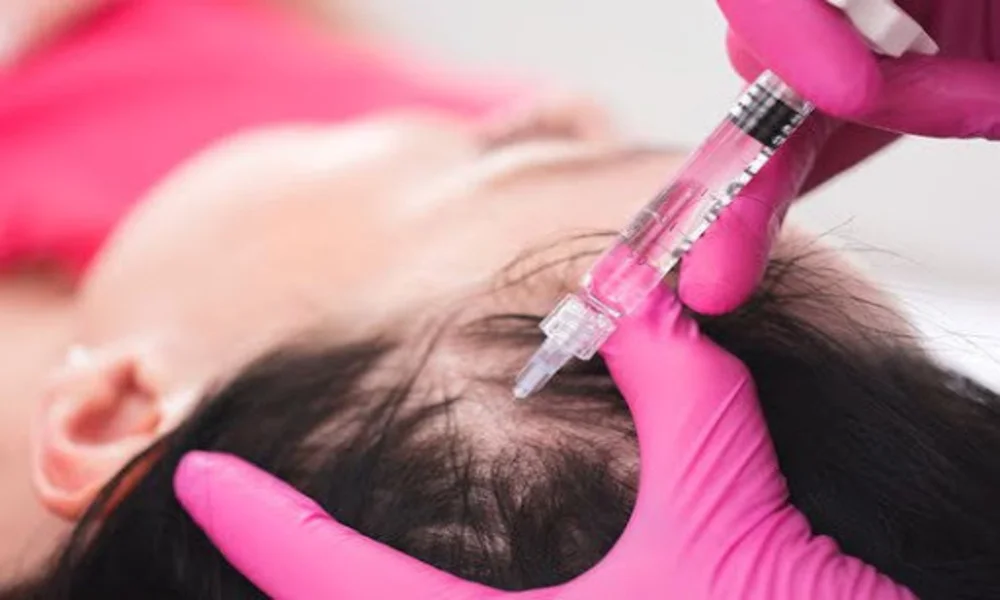
PRP therapy is a non-surgical treatment that uses the patient’s own blood to encourage hair growth. A small amount of blood is drawn, processed in a centrifuge to extract platelet-rich plasma, and then injected into the scalp.
This plasma contains natural growth factors that help repair tissues and stimulate hair follicles. It strengthens existing hair and promotes the growth of new strands. PRP treatment usually involves multiple sessions, spaced a few weeks apart, with follow-up sessions for maintenance.
Key Differences Between Hair Transplant and PRP
- Nature of the Procedure: Hair transplant is surgical, while PRP is non-surgical.
- Recovery Time: Hair transplant requires a few days of rest, while PRP allows you to return to normal activities almost immediately.
- Results: Hair transplants offer permanent results, whereas PRP requires ongoing maintenance to sustain growth.
- Cost: PRP sessions are generally more affordable than hair transplants.
- Best Candidates: Hair transplants are suitable for people with severe hair loss or baldness. PRP is ideal for those with thinning hair or early hair loss.
Which Treatment Is Right for You?
Your choice depends on the extent of hair loss, your budget, and your comfort with medical procedures. If you have advanced hair loss with very little natural hair left, a hair transplant may be more effective. If your hair is thinning but still growing, PRP therapy can help strengthen and restore it naturally. Consulting a qualified hair specialist is the best way to determine which treatment will provide the best results for your condition.
Conclusion
Both hair transplant and PRP therapy are effective methods to treat hair loss. A hair transplant provides long-lasting, visible results, while PRP therapy offers a gentle, natural approach to boost growth. The right choice depends on individual needs, hair condition, and lifestyle preferences.
