

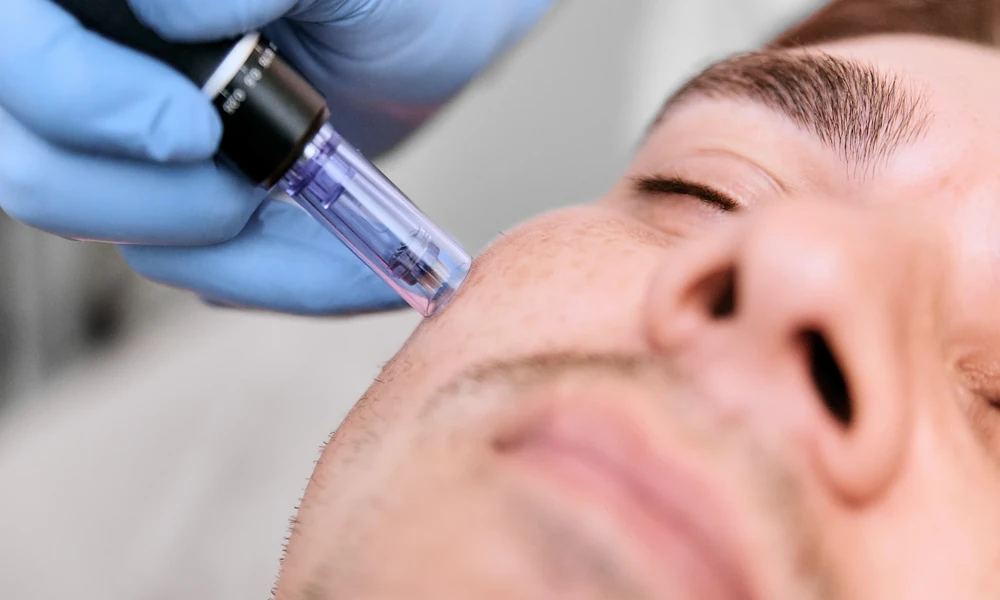
Standing over a mannequin is nothing like facing a real patient. Those seeking expertise in facial injection techniques quickly learn that textbooks and theory can only take them so far before the pressure of live practice brings a whole new set of challenges.
Challenges of Learning Facial Injection Techniques Without Practical Experience
Relying on theoretical instruction alone can leave significant gaps in a practitioner’s skill set. Without hands-on training, subtle variations in skin, muscle, and vascular structures remain abstract concepts. This lack of exposure often results in hesitation or missteps when transitioning to clinical scenarios.
Risks of Inadequate Hands-On Training
Minimal practical exposure increases the likelihood of technical errors, such as improper needle depth or incorrect product placement. These mistakes are not just academic, they can cause visible aesthetic flaws or even more severe complications.
Impact on Patient Safety and Treatment Outcomes
Patient safety is always at stake when practitioners lack real-world experience. Courses that focus solely on lectures may overlook the unpredictability of live procedures. Complications such as bruising, swelling, or vascular occlusion demand quick thinking and a calm, experienced hand.
Common Gaps in Theoretical-Only Courses
Even well-structured theoretical programs may not address real-time patient reactions, variable anatomy, or the subtleties of consultation and communication. Without practical experience, graduates may struggle to adapt to the dynamic nature of clinical practice.
How Practical Experience Transforms Injection Training
Live practice shifts a trainee’s understanding from memorization to mastery. By engaging directly with real models, practitioners internalize both technical skills and the human aspects of patient care.
Building Confidence Through Real-Life Application
Repeated, supervised injections foster true confidence. Instead of uncertainty, practitioners develop a steady hand and the assurance needed to achieve consistent results. This kind of confidence simply cannot be simulated in a classroom.
Understanding Facial Anatomy in a Three-Dimensional Context
Seeing anatomy in three dimensions, on actual faces, brings clarity that diagrams cannot match. Courses that include live demonstrations and hands-on modules teach aspiring injectors how to navigate the natural variations found in every patient.
Refining Techniques on Live Models Versus Simulations
Mistakes on models offer invaluable lessons, all within a controlled, supervised environment. Real feedback, muscle memory, and tactile experience combine to refine technique far more effectively than any simulation.
Immediate Feedback and Skill Correction Opportunities
Practical courses provide direct, real-time guidance. Instructors point out mistakes as they happen, allowing trainees to instantly adjust their approach and avoid cementing bad habits.
The Structured Progression of Practical Facial Injection Courses
Effective training programs guide learners through a structured path, starting from basics and building to advanced procedures.
Overview of Multi-Level Training Approaches
Programs like those at Mediluxe divide training into progressive levels, introductory, intermediate, and advanced, ensuring each practitioner moves forward only when fully prepared.
From Basic Anatomy and Safety to Advanced Techniques
Initial sessions focus on foundational topics: facial anatomy, patient consultation, and injection safety. As learners progress, they tackle more complex procedures, such as advanced neuromodulator techniques and managing challenging treatment areas.
Importance of Progressive Skill Development
Gradually increasing the complexity of practical scenarios allows participants to absorb and apply knowledge methodically. This staged approach minimizes overwhelm and maximizes retention.
Role of Mentorship and Expert Supervision
Ongoing access to experienced mentors like Dr. Alex at Mediluxe ensures that students benefit from both structured guidance and nuanced, real-world insights.
Addressing Complications and Improving Patient Care Skills
Real-world practice means facing real complications, and effective courses do not shy away from these challenges.
Managing Injection Risks Through Practical Scenarios
Trainees learn to navigate complications such as bruising or swelling, following established protocols within a supportive environment.
Learning to Identify and React to Adverse Events
Interacting with live patients gives practitioners the chance to observe, identify, and respond to adverse events as they occur, solidifying both technical and critical thinking skills.
Enhancing Ethical Decision-Making with Real Cases
Ethical dilemmas rarely follow textbook patterns. Encountering them in supervised settings prepares practitioners to act responsibly and confidently in their own clinical practice.
Clinical Exposure: Beyond the Classroom
Observational days and clinical shadowing offer a front-row seat to real practice.
Benefits of Observational Days in Clinical Settings
These experiences provide exposure to high-level techniques, patient interactions, and the nuanced flow of a real clinic day.
Integrating Theory with Patient Interaction
Watching experienced practitioners bridge theory and practice helps trainees understand how to translate classroom knowledge into patient-centered care.
Preparing for Real-World Practice Challenges
Hands-on exposure demystifies the complexities of clinical work, leaving new injectors better prepared for independent practice.
Certification and Professional Growth Through Practical Training
Practical training leads not only to improved competence but also to recognized credentials.
Value of Recognized Certification in Aesthetic Medicine
Certification signals to patients and employers that a practitioner has met rigorous standards, including essential hands-on experience.
How Hands-On Courses Elevate Career Opportunities
Employers increasingly prefer candidates with demonstrable clinical skills. Hands-on training opens doors to more advanced roles and private practice possibilities.
Developing a Personal Practice with Confidence
Graduates of comprehensive courses feel equipped to develop their own unique brand of care, backed by real-world skills and respected certification.
Taking Action: Choosing the Right Practical Facial Injection Course
Not all courses are created equal. Evaluating programs carefully can make all the difference.
Key Criteria to Evaluate Training Programs
Look for courses that offer structured progression, small group sizes, expert mentorship, and live model practice.
Questions to Ask About Hands-On Experience
Ask how much supervised practice is included, how complications are addressed, and what type of clinical exposure is offered.
Steps to Enroll and Prepare for a Practical Course
Once you have selected a reputable provider such as Mediluxe formation prp, reach out to learn more about enrollment, prerequisites, and how to maximize your training experience.
Making the Most of Your Practical Training Experience
The journey doesn’t end with course completion.
Maximizing Learning in Small Group Settings
Engage actively in discussions, seek feedback, and learn from peers’ experiences during hands-on sessions.
Continuous Skill Improvement Post-Training
Regularly attend workshops, practice under supervision, and stay updated on new techniques to keep refining your skills.
Building a Support Network with Instructors and Peers
Forming professional connections during training lays the foundation for ongoing mentorship and collaboration throughout your career.
Ultimately, practical experience is the bridge between theoretical understanding and clinical excellence in facial injection practice. Those who invest in hands-on training find themselves more confident, more competent, and better positioned for lasting success in the ever-evolving world of aesthetic medicine.
