








Asbestos Exposure And Its Link To Lung Cancer
How Asbestos Fibers Cause Lung Damage
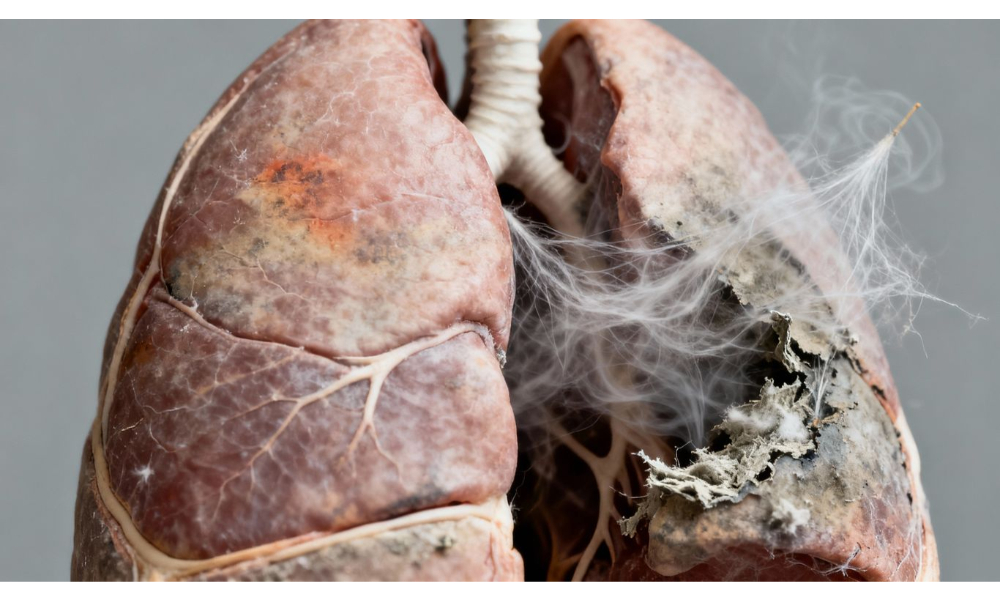
When asbestos fibers are inhaled, they can become lodged deep within the lungs. These microscopic fibers are sharp and durable, meaning the body has a hard time breaking them down or expelling them. Over time, this can lead to chronic inflammation and scarring in the lung tissue. This persistent irritation is a primary driver for the development of asbestos-related diseases, including lung cancer. The body’s attempts to deal with these foreign bodies can cause cellular damage, which, if repeated over many years, increases the risk of abnormal cell growth. The physical and chemical properties of asbestos fibers make them particularly dangerous when breathed in.
The Latency Period Of Asbestos-Related Lung Diseases
One of the most challenging aspects of asbestos-related lung diseases is the long time it takes for symptoms to appear. This period, known as the latency period, can stretch for decades, often 15 to 35 years or even longer, after the initial exposure. This means individuals might have worked with asbestos or been exposed in their youth and only develop symptoms much later in life. This extended delay makes it difficult to connect current health problems directly to past exposures, especially if records are lost or memories fade. Understanding this long delay is important for recognizing the potential for disease development long after exposure has ceased. This is a significant public health concern, as occupational asbestos exposure was responsible for a notable percentage of lung cancer deaths in the past.
Distinguishing Asbestos-Caused Lung Cancer
Diagnosing lung cancer caused by asbestos exposure requires careful consideration. While the symptoms of asbestos-related lung cancer can be similar to other types of lung cancer, the history of exposure is key. Doctors will look for a documented history of working with or being around asbestos-containing materials. This might include jobs in construction, shipbuilding, or manufacturing. The type of asbestos fiber and the duration and intensity of exposure also play a role. It’s not just about having lung cancer; it’s about understanding its origin.
- Medical history review
- Occupational history assessment
- Review of diagnostic tests
Distinguishing this specific cause often involves ruling out other factors and confirming a plausible link to asbestos. If you suspect your lung cancer may be linked to past asbestos exposure, discussing your work history with your doctor is a vital first step. You can find more information about the impact of asbestos in the workplace on occupational asbestos exposure.
Understanding Secondary Lung Cancer From Asbestos
Defining Secondary Lung Cancer
Secondary lung cancer, in the context of asbestos exposure, refers to cancer that spreads to the lungs from another part of the body. This is distinct from primary lung cancer, which starts directly in the lung tissue itself. While asbestos is a well-known cause of primary lung cancer, its role in the development or spread of secondary lung cancer is a complex area of study. It’s important to differentiate between cancer that originates in the lungs due to asbestos and cancer that metastasizes to the lungs from elsewhere.
The Role Of Asbestos In Secondary Lung Cancer Development
The primary mechanism by which asbestos causes lung issues is through direct damage to lung tissue, leading to inflammation and scarring. This can eventually result in primary lung cancer, such as mesothelioma or non-small cell lung cancer. However, the connection to secondary lung cancer is less direct. Chronic inflammation and cellular damage caused by asbestos fibers might create an environment within the lungs that is more susceptible to the growth of cancer cells that have spread from other organs. Some research suggests that asbestos exposure could potentially influence the body’s immune response, which plays a role in controlling or allowing the spread of cancer. The exact pathways are still being investigated, but the persistent irritation from asbestos fibers is a key factor.
Risk Factors For Secondary Lung Cancer After Asbestos Exposure
Several factors can increase the risk of developing secondary lung cancer, especially for individuals with a history of asbestos exposure:
- Type and Duration of Exposure: Higher levels and longer periods of exposure to asbestos fibers generally correlate with increased risk for various asbestos-related diseases, including potentially influencing secondary cancer development.
- Smoking Habits: Smoking significantly amplifies the risk of lung cancer, both primary and potentially secondary, when combined with asbestos exposure. The synergistic effect is well-documented.
- Genetic Predisposition: Individual genetic makeup can influence how the body responds to asbestos exposure and its susceptibility to cancer. Some people may be genetically more prone to developing malignancies.
- Pre-existing Lung Conditions: Conditions like asbestosis (scarring of the lungs from asbestos) can alter the lung environment, potentially making it more vulnerable to the spread of cancer cells from other sites. This condition is a serious health risk associated with asbestos exposure [68fa].
Understanding these factors is key for individuals with a history of asbestos exposure to discuss their risks with healthcare providers and undergo appropriate monitoring. Asbestos lung cancer originates in the lung tissue and is a direct result of asbestos exposure [4887].
Symptoms And Diagnosis Of Asbestos-Induced Lung Cancer
Recognizing Early Warning Signs
It can be tough to spot lung cancer early, especially when it’s linked to asbestos. Often, symptoms don’t show up until the disease is pretty advanced. This is partly because asbestos-related lung diseases, like mesothelioma and asbestosis, can take decades to develop after exposure. When symptoms do appear, they might seem like other common issues, making them easy to overlook. Some signs to watch for include a persistent cough that doesn’t go away, sometimes with blood in the mucus. You might also notice shortness of breath, even with simple activities, and chest pain that gets worse with breathing or coughing. Unexplained weight loss and fatigue are also common. It’s important to remember that these symptoms aren’t exclusive to asbestos-related lung cancer, but if you have a history of asbestos exposure, they warrant a closer look.
Diagnostic Procedures For Lung Cancer
When a doctor suspects lung cancer, especially in someone with a history of asbestos exposure, they’ll start with a thorough review of your medical history and a physical exam. They’ll ask about your past work or living situations where you might have encountered asbestos. Following this, imaging tests are usually the next step. These help doctors see what’s happening inside your chest and identify any suspicious areas. If imaging shows something concerning, further tests are needed to confirm a diagnosis and determine the type and stage of the cancer.
Imaging And Biopsy Techniques
Several imaging techniques can help doctors visualize the lungs. A chest X-ray is often the first test, providing a basic picture of the lungs. However, a CT scan (computed tomography) offers much more detail and can detect smaller abnormalities that an X-ray might miss. For a definitive diagnosis, a biopsy is almost always necessary. This involves taking a small sample of the suspicious tissue for examination under a microscope by a pathologist. The methods for obtaining a biopsy can vary:
- Bronchoscopy: A thin, flexible tube with a camera is inserted into the airways to visualize them and take tissue samples.
- Needle Biopsy: A needle is guided through the chest wall into the suspicious area to collect cells or tissue. This is often done using CT scan guidance.
- Surgical Biopsy: In some cases, a small surgical procedure might be needed to remove a larger piece of tissue for examination. This could be done through VATS (video-assisted thoracoscopic surgery) or a more traditional open surgery.
⠀
The results of these tests are critical for determining the best course of treatment.
Treatment Options For Asbestos-Related Lung Cancer
When lung cancer develops due to asbestos exposure, treatment focuses on managing the disease and improving the patient’s quality of life. The approach taken depends on several factors, including the stage of the cancer, the patient’s overall health, and the specific type of lung cancer. It’s important to discuss all available options with a medical team.
Medical Interventions For Lung Cancer
Medical treatments aim to control cancer growth and alleviate symptoms. These can include:
- Palliative Care: This focuses on relieving symptoms like pain, shortness of breath, and fatigue, rather than curing the cancer. It can be given alongside other treatments.
- Targeted Therapy: These drugs work by targeting specific abnormalities within cancer cells that help them grow and survive. They are often used for certain types of lung cancer with specific genetic mutations.
- Immunotherapy: This treatment helps the body’s own immune system fight cancer. It works by stimulating immune cells to recognize and attack cancer cells.
Surgical Approaches
Surgery is often considered for lung cancer that has not spread extensively. The goal is to remove the cancerous tumor and any nearby affected lymph nodes. The type of surgery depends on the tumor’s size and location:
- Lobectomy: Removal of an entire lobe of the lung.
- Pneumonectomy: Removal of an entire lung.
- Wedge Resection: Removal of a small, wedge-shaped piece of the lung containing the tumor.
The decision for surgery is made after careful evaluation of the patient’s lung function and overall health.
Chemotherapy And Radiation Therapy
Chemotherapy uses drugs to kill cancer cells throughout the body. It can be used before surgery to shrink tumors, after surgery to kill any remaining cancer cells, or as a primary treatment for advanced cancer. Radiation therapy uses high-energy rays to kill cancer cells. It can be used alone or in combination with chemotherapy, often to target specific areas of cancer or to relieve symptoms.
Preventing Asbestos Exposure And Lung Cancer
Identifying Asbestos in the Environment
Finding asbestos isn’t always straightforward. It was used in so many building materials for a long time because it’s strong and resists heat. Think about older homes, schools, and commercial buildings built before the 1980s. Asbestos could be in insulation, ceiling tiles, floor tiles, and even some types of siding. The key is to assume materials in older structures might contain asbestos until they are tested. If you’re planning any work that might disturb these materials, like renovations or repairs, it’s best to get a professional inspection. They have the tools and knowledge to test samples safely. This is a really important first step in avoiding exposure. You can find more information about asbestos and its risks on the EPA’s website.
Protective Measures During Renovation
When you’re working on older properties, especially if you suspect asbestos might be present, taking precautions is vital. Disturbing asbestos-containing materials can release tiny fibers into the air, which are easily inhaled. If you’re not a trained professional, it’s generally advised to hire certified asbestos abatement specialists. They know how to remove or contain the material safely. If you must do some work yourself, and testing has confirmed low levels of asbestos that are not friable (meaning they won’t crumble easily), follow strict safety guidelines. This includes:
- Wearing appropriate personal protective equipment (PPE), such as a respirator with P100 filters, disposable coveralls, gloves, and eye protection.
- Using wet methods to keep dust down while working.
- Sealing off the work area with plastic sheeting and warning signs.
- Properly bagging and disposing of any debris according to local regulations.
Occupational Safety Standards
For workers in industries where asbestos exposure is a risk, strict safety standards are in place. These regulations are designed to protect individuals from inhaling asbestos fibers. Employers are responsible for implementing these standards, which often include:
- Regular training on the hazards of asbestos and safe work practices.
- Providing and maintaining proper respiratory protection.
- Establishing designated areas for handling asbestos materials.
- Conducting air monitoring to check exposure levels.
- Implementing medical surveillance programs for exposed workers.
These measures are critical for preventing occupational lung diseases. Adhering to these standards helps minimize the risk of developing serious health issues down the line.
Legal And Compensation Aspects For Asbestos Victims
Understanding Asbestos Litigation
When individuals develop lung cancer or other asbestos-related illnesses due to exposure, legal avenues often become necessary. Asbestos litigation involves lawsuits filed by victims against companies that manufactured, supplied, or used asbestos-containing products. These cases can be complex, often requiring detailed evidence of exposure and a clear link between that exposure and the diagnosed illness. The primary goal is to hold negligent parties accountable for the harm caused. Many of these cases are consolidated into multidistrict litigation (MDL) to streamline the legal process for numerous similar claims. This approach helps manage the large volume of cases and ensures more consistent rulings.
Seeking Compensation For Medical Expenses
Compensation for asbestos-related lung cancer aims to cover the significant costs associated with the disease. This includes:
- Past and future medical bills, such as hospital stays, doctor visits, and treatments.
- Lost wages and diminished earning capacity resulting from the illness.
- Pain and suffering, which accounts for the physical and emotional distress experienced by the victim.
- Costs for in-home care or assisted living if the condition requires it.
Gathering thorough documentation, including medical records, employment history, and expert testimony, is vital for a successful claim. The latency period of asbestos diseases means that exposure may have occurred decades before diagnosis, making the evidence-gathering process challenging but critical.
Navigating Asbestos Trust Funds
Many companies that once produced or used asbestos have gone bankrupt. To provide a remedy for victims, these companies often establish asbestos trust funds as part of their bankruptcy proceedings. These trusts are set up to compensate individuals who were exposed to asbestos and subsequently developed diseases. Accessing these funds typically involves submitting a claim with specific documentation, such as proof of exposure and medical diagnoses. The process can be intricate, and victims may benefit from working with legal professionals experienced in asbestos trust claims to ensure their claim is properly filed and processed.